 There are two things that we can not see easily. But we can, when we get attentive enough and know a little bit more about human nature.
The Frog View
A frog can not see a fly that sits still. It’s invisible to the frog. But when the fly moves, no problem! The frog can see it, he can grab it and munch it for lunch.
Well, even though you and me, we might not exactly look like frogs, we are a lot like this little amphibian.
That’s the whole catch of news. “Everything is changing! Something is different now!” That’s basically the message of every new broadcasting. It tells you about some moves.
The same applies to social media or the internet itself.
The message always is something like this: Something is new, something is moving.
>>
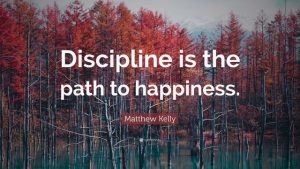 In 1912 Christian Larson wrote about the beauty of self-discipline. A good life does not come from being lucky. It comes from cultivating optimism and living it. That was his statement. I like his original idea and added some personal notes that seem to better fit our time.
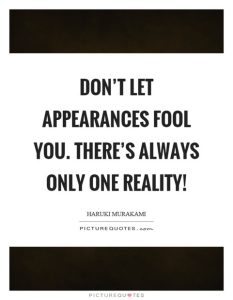 The other day I was talking to a friend. He insisted that the nature of reality is subjective.
 … always count your change!
 The devil made a garage sale. He put a desk in front of his house and placed all his nice tools there. Envy, malice, dispair, hatred and jealousy were all on sale, one by one nicely lined up. But apart from those off to the side he had his favorite tool. It looked very used and was priced above all the others. It was very, very effective and it worked better than any of the other tools. It was labelled with the sign “discouragement”.
 The other day I was teaching piano and a student’s mother was not pleased with the outcome. She complained that her child was not practicing enough. Her judgement was: the child is lazy. It needs more coercion. And well, I am just not the person who would coerce anybody. It’s not productive! And certainly not the best for the child.
 An old man and a boy were traveling to town with a donkey. At first, the old man was riding the donkey and the boy was walking. When they stopped by a little tavern, the innkeeper critizised the old man: “How can you let the boy walk for so long? That’s inhumane!”
  – Making mistakes is normal.
 A colleague helping out in our company wrote, she wishes much success for all the upcoming new creative projects in 2026 but she does not like the word success, she means joy, recognition and a positive resonance with others.
 The European basic idea that all state systems are based on is rooted in giving support. I was never aware of this fact – until the day my orchestra made a concert tour to India. As artists, we resided in luxurious hotels, with huge bedrooms and bathrooms all in marble. I had never been to more elegant und exquisite accommodations than in India. We were driving around in air-conditioned busses and had all the conveniences a person could think of.